
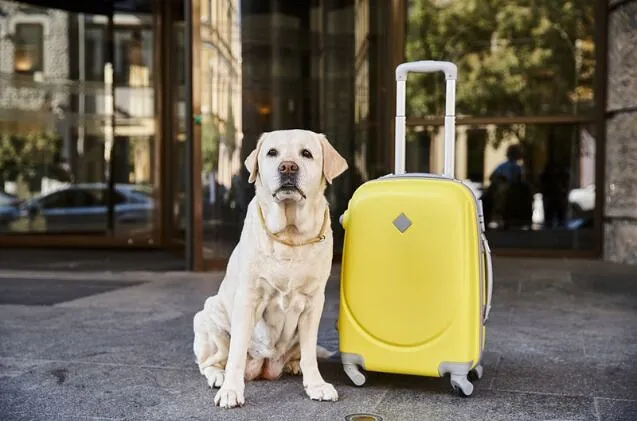
Summer planning with a pet is a small project-management exercise disguised as a vacation. Heat, crowds, limited availability, and stricter facility rules mean that casual, last-minute choices can turn into expensive, stressful pivots. A calm plan—built around timelines rather than wishful thinking—keeps your pet comfortable and keeps you from scrambling.
Many owners begin by toggling between boarding calendars, route ideas, and scattered research, sometimes with crazy time online casino open in another tab mid-sentence, but the most reliable approach is simpler: decide the care plan first, then align travel details and health requirements to that decision.
Start with the timeline, not the destination
A practical summer plan runs on three clocks:
- Availability clock: Boarding spaces, pet-friendly lodging, and transport slots fill early in peak months.
- Health clock: Vaccinations, boosters, and parasite prevention must be completed within specific windows before check-in or border crossings.
- Behavior clock: Some pets need gradual preparation—crate comfort, car acclimation, or short trial stays—so the “readiness curve” is not instant.
If you anchor your planning to these clocks, you avoid the common trap of booking a trip first and discovering later that the boarding facility needs documentation you can’t obtain in time or that your pet struggles with long travel.
Boarding vs. bringing your pet: a structured decision
Instead of asking “Can my pet come?” ask “Which option reduces risk while preserving welfare?”
Boarding tends to win when:
- Your itinerary is dense and unpredictable (long activity days, frequent location changes).
- The climate is humid or extremely hot, increasing safety concerns.
- Your pet is noise-sensitive or easily overstimulated in crowded places.
- Travel would involve long transport segments with limited breaks.
Traveling together tends to win when:
- Your lodging is genuinely pet-friendly (not merely tolerant).
- Your schedule includes calm downtime and consistent routines.
- Your pet is confident with new environments and transports.
- You can build in contingency plans for heat, illness, or delays.
A clear-eyed assessment prevents sentimental planning. The “right” choice is the one that minimizes stress and maximizes predictability for your individual pet.
Choosing boarding with fewer unpleasant surprises
Boarding is not one monolithic service. It ranges from quiet, home-like environments to louder, high-volume facilities. Evaluate options using objective criteria:
- Health requirements: Ask exactly which vaccines, boosters, and parasite preventives are required, and how recent documentation must be.
- Supervision and staffing: Confirm overnight supervision, staff-to-pet ratios, and training practices.
- Separation and enrichment: Some pets thrive with supervised group play; others need peaceful individual time and structured enrichment.
- Emergency protocols: Understand how medical issues are handled, what triggers a vet visit, and how costs are authorized.
- Trial stay availability: A short “practice night” can reveal hidden stressors (noise, confinement, appetite changes) before peak season.
Also consider your pet’s temperament honestly. A sweet, social pet may flourish in a lively environment; a cautious pet may need a calmer setting with fewer transitions and a gentler sensory load.
Pet-friendly travel: the logistics you need to map early
If your pet is coming with you, treat travel planning like a layered system:
1) Transport feasibility
Different modes have different stress profiles. Car travel allows breaks but requires heat management and safe restraint. Public transport adds noise, crowds, and limited control. Longer journeys raise the stakes for hydration, motion sensitivity, and bathroom scheduling.
2) Lodging reality check
“Pet-friendly” can mean anything from “pets allowed” to “pets welcomed.” Look for specifics: weight limits, restricted areas, noise policies, deposit rules, and nearby walking access. A charming rental with no shade and no safe walking route can be a miserable, anxious experience for both of you.
3) Daily rhythm design
Summer days are long, bright, and tempting—but pets still need predictable routines. Build a gentle structure: early-morning walks, shaded mid-day rest, and cool evening activity. Plan for quiet time, not just attractions.
4) Heat and hydration strategy
Heat is not merely uncomfortable; it can become dangerous quickly. Use conservative judgment: shaded routes, frequent water breaks, and backup indoor options. If you’ll be outdoors, plan for quick exits and calm cool-down periods.
Vaccination timelines: align to rules and immune response
Vaccination timing is the backbone of boarding and travel readiness, but requirements vary by location and facility. A smart plan focuses on two principles: compliance (meeting facility or regional rules) and physiology (allowing time for an immune response and monitoring for side effects).
A practical planning window looks like this:
- 8–10 weeks before travel/boarding: Schedule a vet visit to review what is due, what documentation is needed, and whether any boosters are recommended. This window gives breathing room if a vaccine is out of stock, a booster is needed, or paperwork requires processing.
- 4–6 weeks before: Complete required vaccines/boosters if possible, so immunity has time to develop and any mild reactions can be observed at home rather than during travel.
- 2–4 weeks before: Confirm parasite prevention strategy appropriate to your destination (ticks, fleas, worms can vary by region and season).
- 7–10 days before: Re-check facility rules for any “within X days” requirements, and ensure documents are current and readable.
Because regulations can change and health needs are individual, treat this as a planning scaffold—not personal medical advice. Your veterinarian is the correct source for what applies to your pet and your destination.
Documentation: the boring part that saves the trip
Documentation failures are a surprisingly common cause of last-minute cancellations. Create a simple folder (digital plus paper backup) containing:
- Vaccination records with dates and identifiers
- Proof of parasite prevention (if required)
- Any required certificates for travel or boarding
- Microchip information (if applicable)
- A short medical summary (allergies, chronic conditions, medications)
- Emergency contacts and your vet’s details
Even if you never need it, having clean, organized paperwork reduces stress at check-in desks, border points, and emergencies.
Budgeting and contingencies: plan for “normal problems”
A realistic summer plan includes buffers:
- Buffer time: Build extra time around departures for unexpected messes, delays, or a pet who suddenly refuses the carrier.
- Buffer money: Reserve funds for a backup night of boarding, a different route, or an urgent clinic visit.
- Buffer flexibility: Choose refundable or changeable options when possible, especially during peak weeks.
The goal isn’t pessimism—it’s resilience. When plans bend, you want them to bend safely, not break dramatically.
A final readiness checklist
Before you commit, verify these fundamentals:
- Boarding reservation confirmed (or pet-ready lodging secured)
- Vaccination and prevention timelines aligned with requirements
- Paperwork stored, backed up, and easy to access
- Travel gear tested (carrier, harness, restraints, bowls)
- A calm daily routine planned for hot hours
- A contingency plan for illness, delays, or extreme weather
When those pieces are in place, summer becomes less chaotic and more comfortable—for you and for your pet. The best trip is the one where your pet’s needs are not an afterthought, but a deliberate, well-timed part of the plan.
